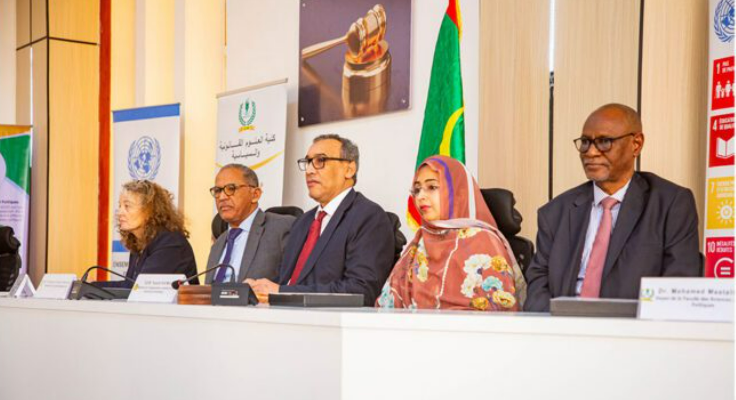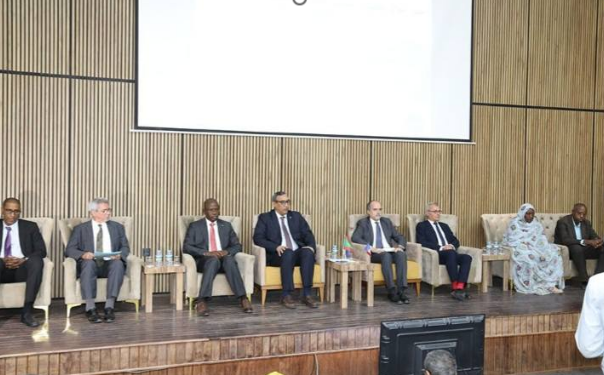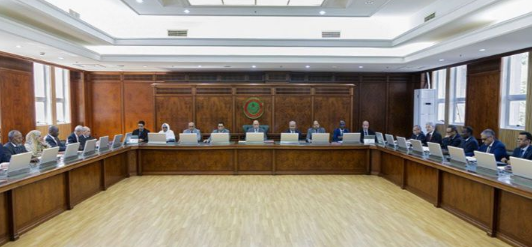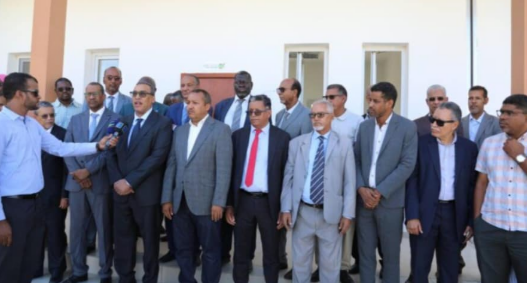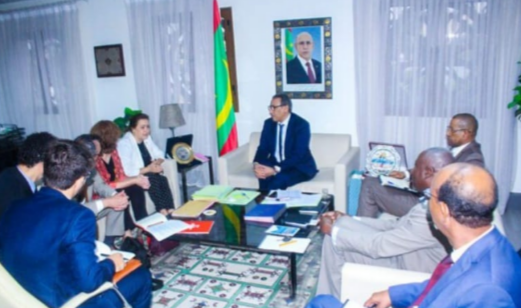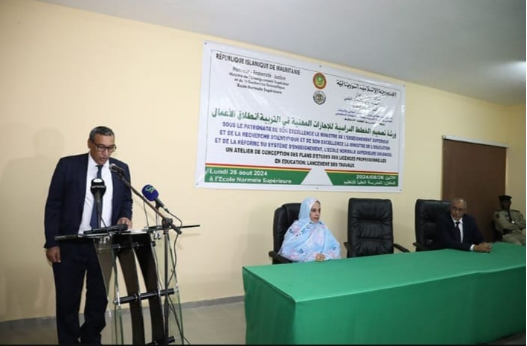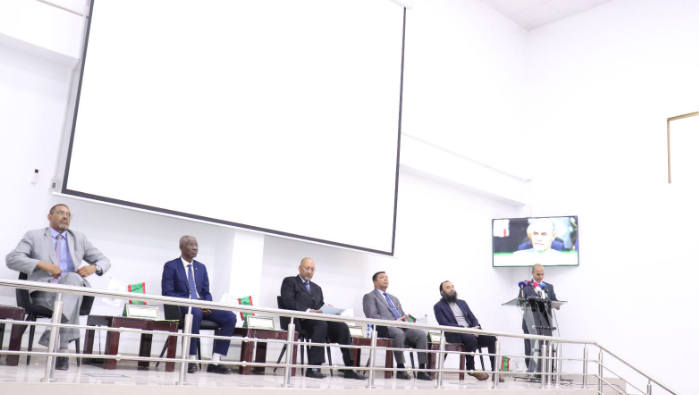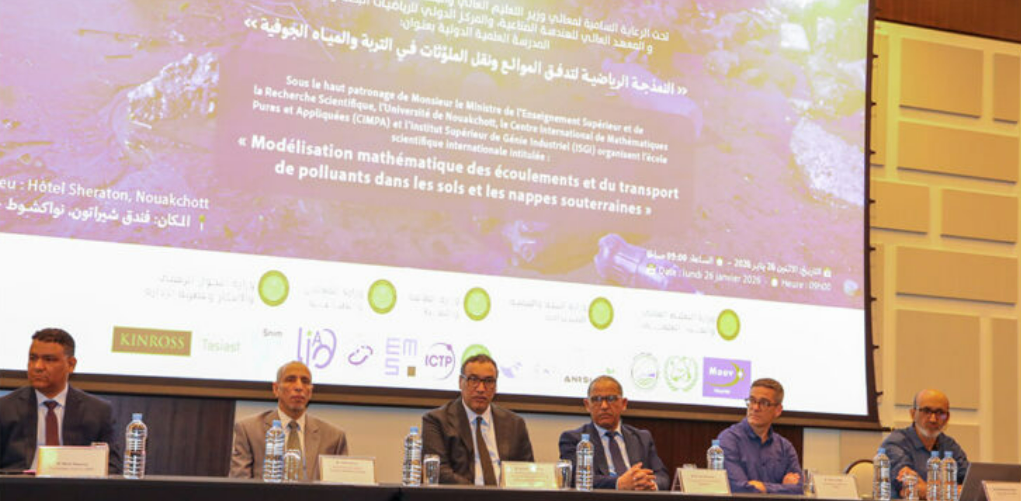
The works of the “CIMPA Nouakchott 2026” school, dedicated to mathematical modeling of fluid flows and pollutant transport in soils and groundwater, began today, Monday, in Nouakchott, with the participation of an elite group of researchers and university professors from Mauritania and several brotherly and friendly countries.
This scientific school, organized from January 26 to February 6, 2026, aims to strengthen research capacities in the field of mathematical modeling and its environmental applications, particularly the study of pollutant transfer in porous media and groundwater. This is of crucial importance for protecting natural resources and supporting sustainable development efforts.
The event is supervised by several international specialized professors and researchers, including experts from France, Germany, and Morocco, in addition to national experts. The school includes advanced scientific lectures, practical workshops, and open discussions on the latest mathematical methodologies and numerical models used in this field.
The “CIMPA Nouakchott 2026” school falls within the framework of strengthening academic and scientific cooperation between national university institutions and their international counterparts, thereby contributing to raising the level of scientific research and training national expertise, especially in specialties related to the environment, energy, and mining.
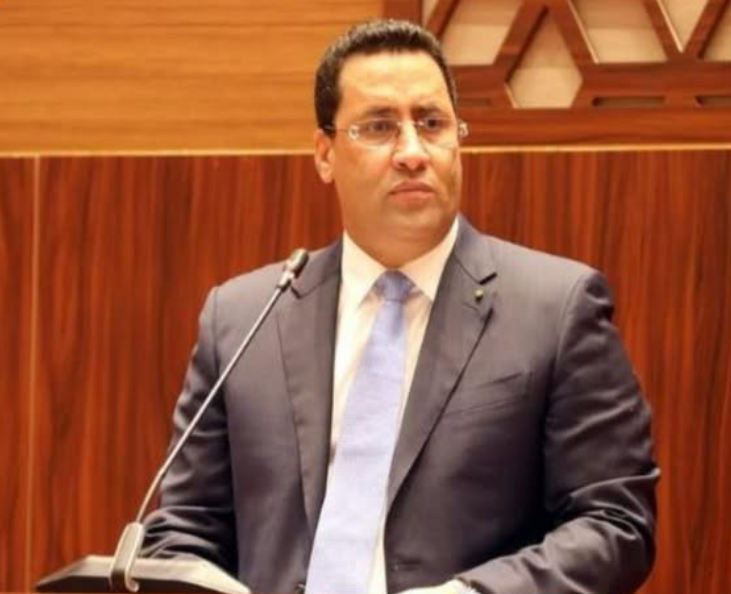
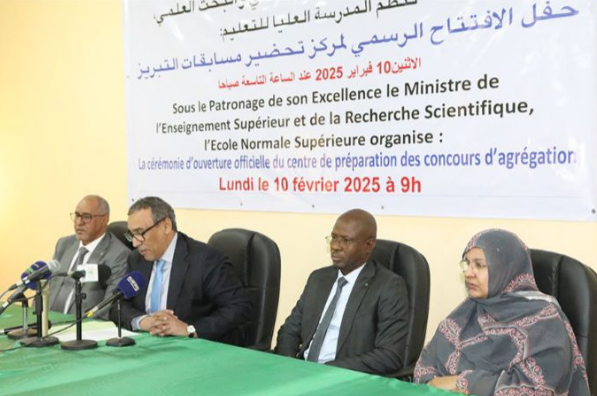
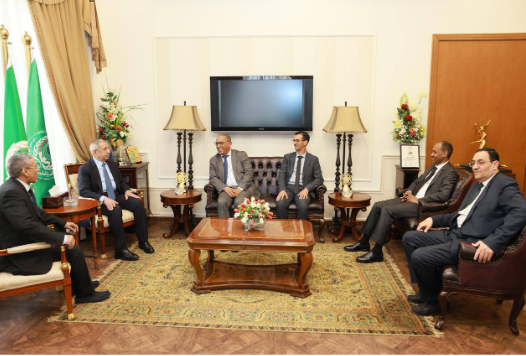
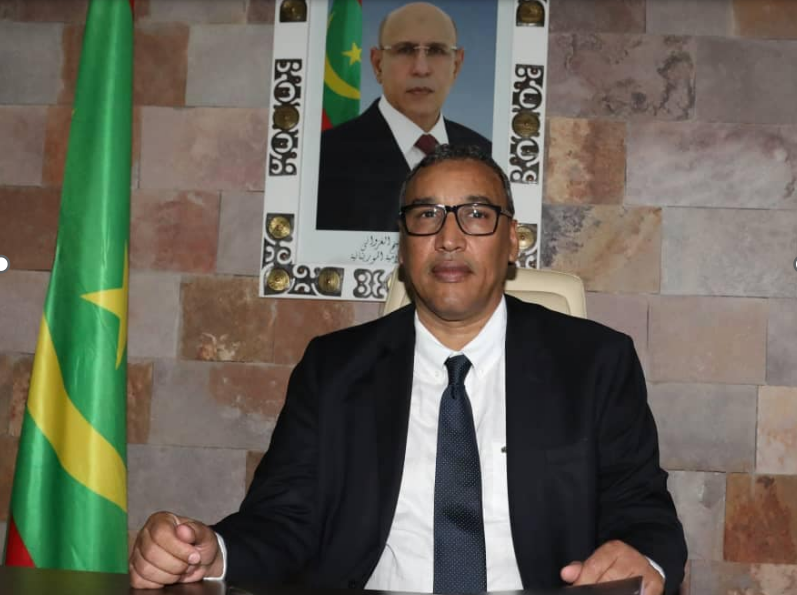
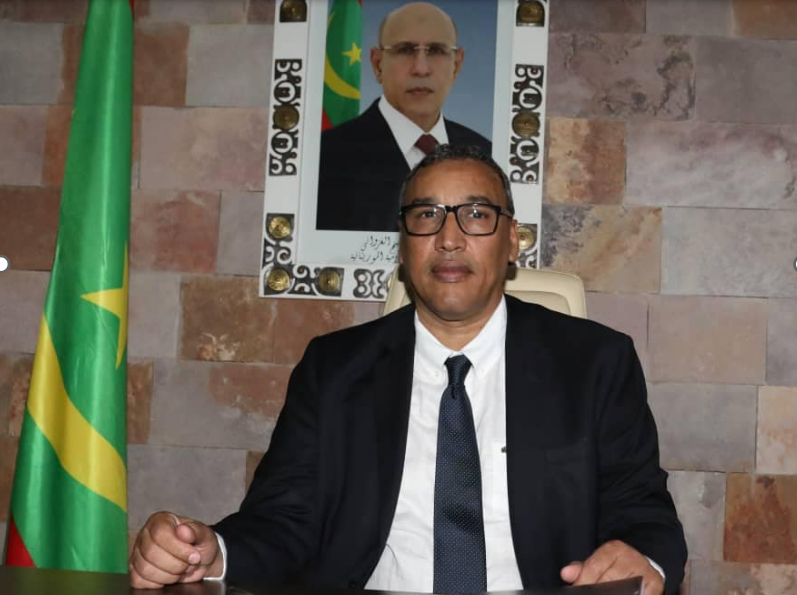
In his speech on the occasion, His Excellency the Minister of Higher Education and Scientific Research, Mr. Yaqoub Ould Amin, stated that the opening of this research school of the International Centre for Pure and Applied Mathematics (CIMPA) in Nouakchott, dedicated to the theme “Mathematical modeling of fluid flows and pollutant transport in soils and groundwater,” reflects the growing importance of environmental and water issues for Mauritania and the Sahel region, amid challenges related to climate change and water scarcity. He emphasized that this type of scientific research represents a strategic stake that goes beyond the academic framework to include environmental protection, public health, and support for sustainable development.
He added that His Excellency the President of the Republic, Mr. Mohamed Ould Cheikh El Ghazouani, pays special attention to scientific research, particularly in areas related to the protection of natural resources. He noted that the government of His Excellency the Prime Minister, Mr. Mokhtar Ould Ajay, is working to translate this vision into practical policies and programs addressing the country's environmental and geographical challenges, especially in water resource management and protection against pollution, relying on advanced scientific tools and qualified national expertise.
His Excellency the Minister explained that this research school constitutes a distinguished scientific space for training young researchers, strengthening cooperation between PhD students and researchers from various countries and disciplines, and contributing to building sustainable scientific partnerships and developing innovative solutions to environmental challenges. He expressed hope that this scientific event would yield practical results enhancing the status of scientific research in Mauritania and supporting sustainable development efforts.
For his part, the President of the University of Nouakchott, Mr. Ali Mohamed Salem Ould El-Bekhayri, affirmed that hosting the “SIMBA Nouakchott 2026” school embodies the growing academic standing of the institution and reflects the confidence it now inspires among international partners, as well as the noticeable improvement in the quality of scientific research at the national level.
He pointed out that the school's theme holds major scientific and societal importance, as it addresses central issues related to mathematical modeling of flows and pollutant transport in soils, water, and air, with direct implications for sustainable water resource management, environmental protection, and public health—especially amid climate changes and increasing environmental pressures facing Sahel countries and arid regions.
In turn, the local coordinator of the CIMPA school, Mr. Marbe Ould Benyouk, emphasized that this scientific school sends a strong message to university students, PhD candidates, and young researchers: high-level scientific research is possible in Nouakchott when collective work spirit, academic rigor, scientific ambition, and openness to international cooperation are present.
He praised the participation of international professors and researchers who traveled to Nouakchott in the service of science and knowledge sharing, considering their presence as clear evidence that scientific commitment transcends geographical and institutional boundaries and strengthens the building of sustainable academic partnerships.
For his part, the scientific supervisor of the school, Mr. Sidi Mahmoud Kabre, explained that the International Centre for Pure and Applied Mathematics (CIMPA) was established in the 1980s at the initiative of the French government, in partnership between France's Ministry of Higher Education and Ministry of Foreign Affairs. He noted that the joining of several European countries strengthened its international dimension, and that it is currently funded by Germany, Spain, Italy, and Norway.
In the same context, the external coordinator of the school, Professor Fabrice Golfier, stated that this school brings together students and researchers from diverse backgrounds to provide in-depth training combining theory and practice in the modeling of flows and pollutant transport linked to current environmental and societal challenges, particularly water resource management and natural environment protection. He urged participating students to make the most of this opportunity through interaction, discussions, and building future scientific partnerships.